Gas range connection: what a pro does and what you can do
Connecting a gas range, moving a gas shutoff or converting a range from one fuel to another is done by a licensed contractor. A leak you cannot smell can fill a kitchen while you sleep.
Difficulty 5 of 5 · licensed pro
Stop here
Photo of your room, the look you pick, then this guide with the materials counted for your room.
Tools
- Flashlight and phone camera
- Notebook for the bid and the license number
Step by step
Step 1 of 5
Photograph the shutoff and the data plate
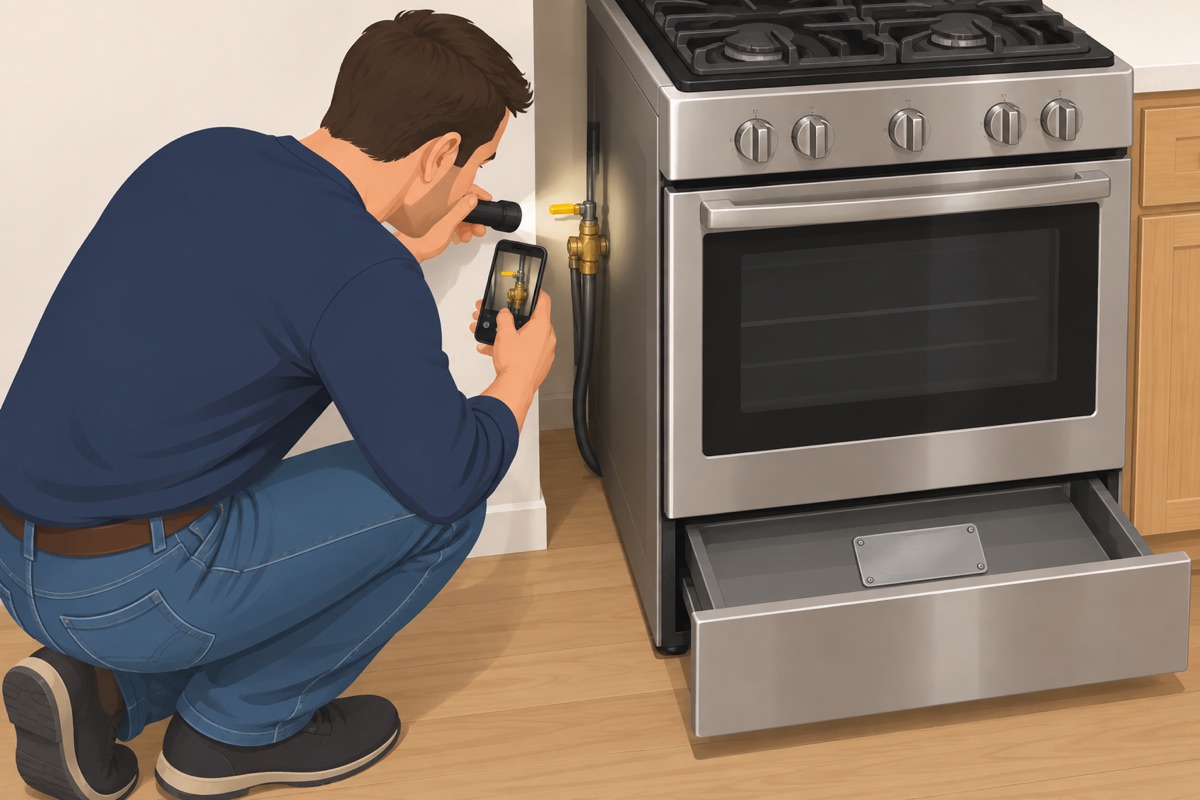
Do not move a connected range. With a flashlight, photograph the gas shutoff behind or beside the range from the side, and the range's data plate (often behind the drawer or inside the door frame). Send both photos with the job so the contractor brings the right parts.
Step 2 of 5
Check the license and ask about the permit
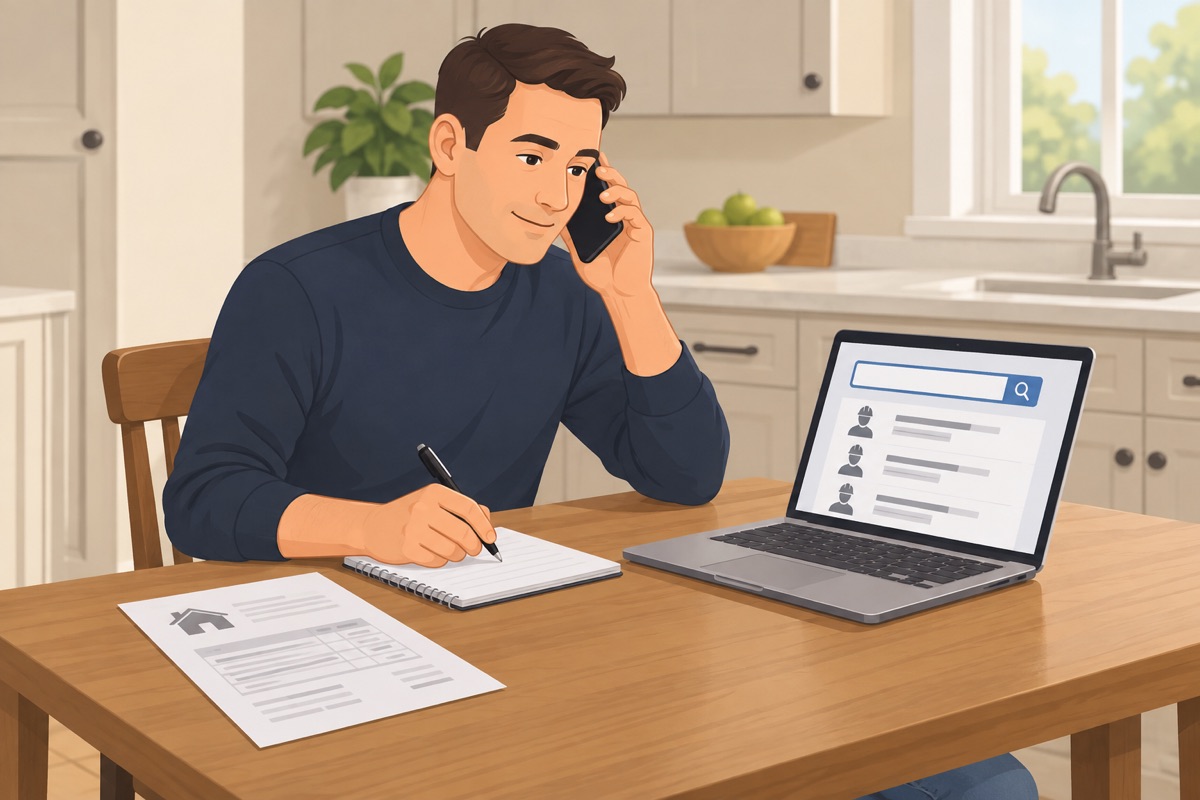
Look up the contractor's license with your state's contractor license board (CSLB in California) and confirm it is active and in the name of the business bidding. Ask whether your scope needs a permit — check with your city's building department (LADBS in Los Angeles) — and who pulls it.
Step 3 of 5
Make the bid name the parts and the checks
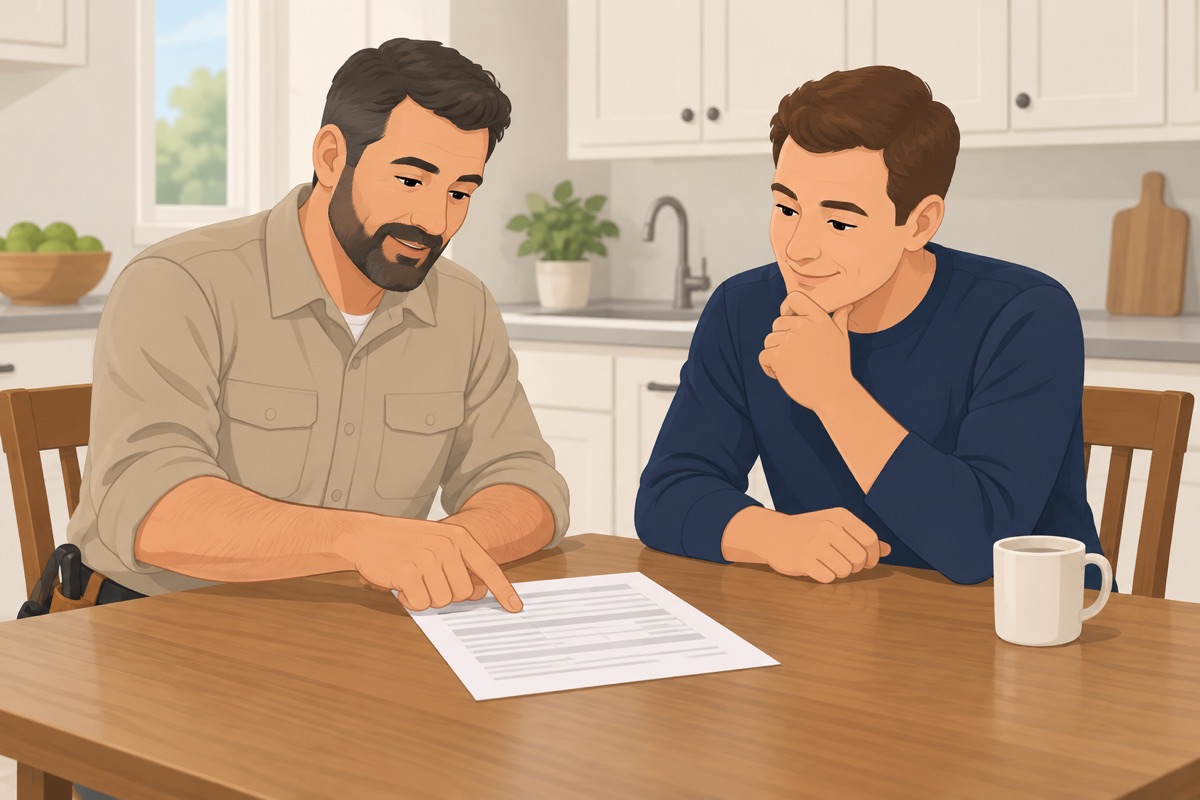
The written bid should say: a new flexible connector (never the old one reused), a new shutoff if the old one is stiff or corroded, a leak test after the connection, the anti-tip bracket installed, and the permit if one is needed.
Step 4 of 5
Watch the leak test and the flames
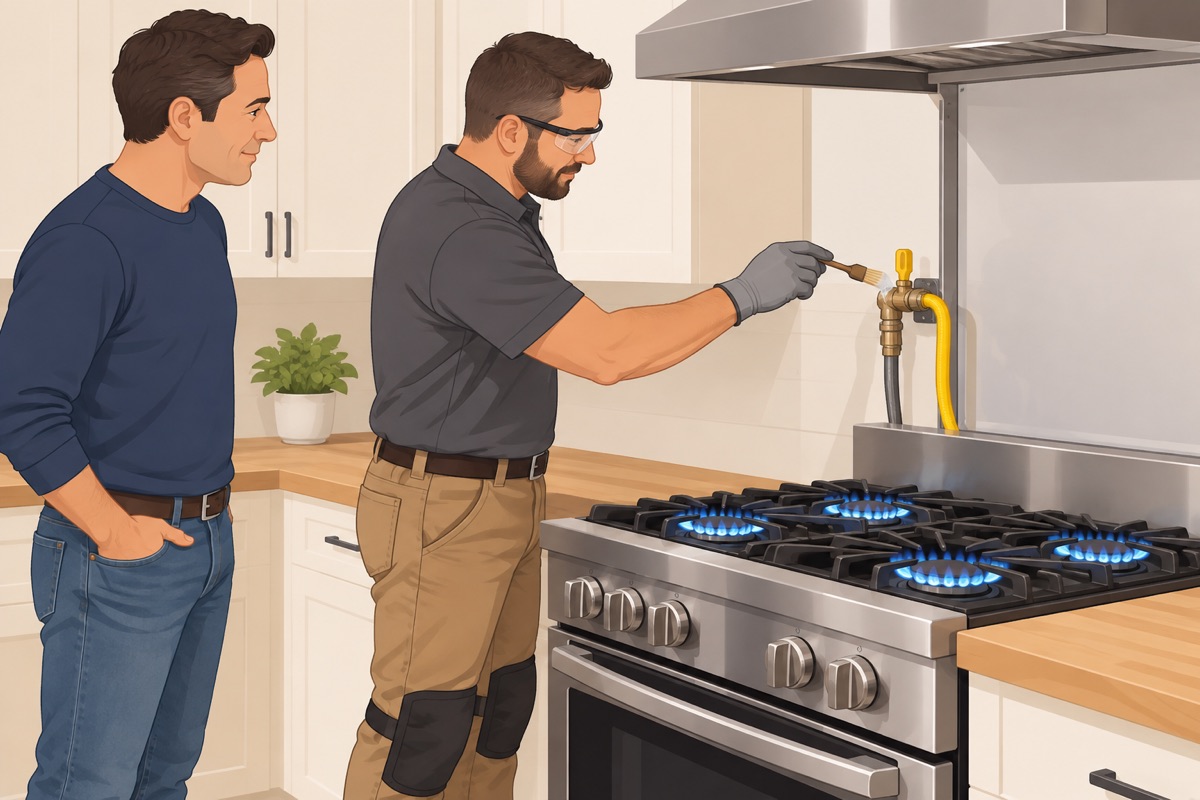
Ask the contractor to leak-test every joint in front of you. Then light each burner and the oven: the flames should be blue and even, not yellow or lifting. Check that the range is caught in its anti-tip bracket.
Step 5 of 5
Working CO alarm in the home
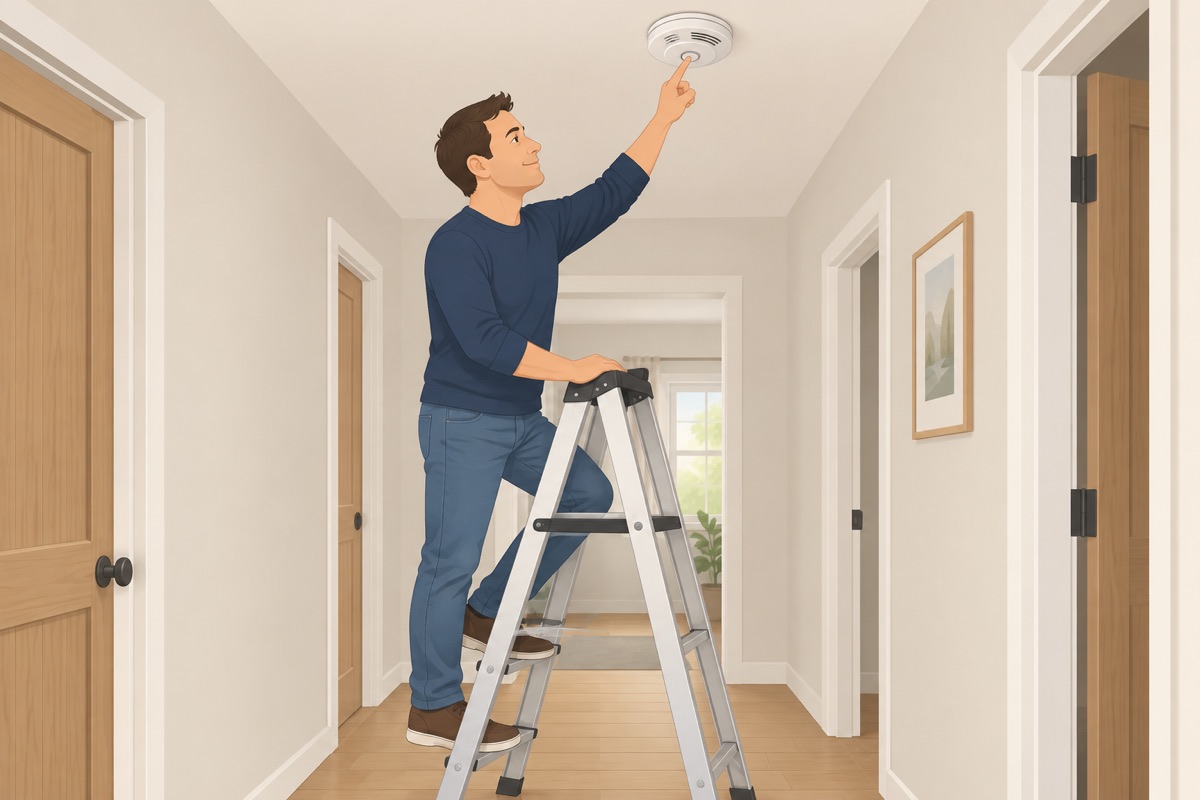
Make sure there is a working carbon monoxide alarm in the home — California and many other states require one in homes with a gas appliance, and it is sensible anywhere. Check the expiration date on its back.
Before you close the job
- Contractor's license checked with your state's license board (CSLB in California)
- Permit question answered, and the permit pulled if one is needed
- New connector and a shutoff you can reach are installed
- Leak test done in front of you
- Burners and oven light blue and even
- Range is caught in its anti-tip bracket
- Working carbon monoxide alarm in the home
Common mistakes
- Connecting it yourself because it looks like one fitting. A gas connection that leaks does not announce itself before it ignites. Gas is contractor-only in this app, every time. Your part is the photos, the hiring, and watching the checks.
- Letting the old connector go back on. An old flexible gas connector can crack when it is moved or bent again. The connection gets a new connector every time — make the bid say so.
Draft guide written from standard practice, not yet reviewed by a licensed pro. Follow product labels where they differ.
Get this job planned for your roomRelated guides
- How to install a closet system yourself: step by step
- How to install cabinet pulls, door handles and shelves yourself: step by step
- How to install a faucet, toilet and shower head yourself: step by step
- How to replace outlets, switches and light fixtures yourself: step by step
- How to connect a dishwasher, range and hood yourself: step by step
- How to install low-voltage path and string lights yourself: step by step