How to clear a yard and break up an old slab yourself: step by step
Heavy, dirty and satisfying. The work itself is simple; the risks are what is under the ground and the silica dust from breaking concrete. Rent the right hammer and book the haul-away before you break anything.
Difficulty 3 of 5 · 1.5 weekends · careful
Stop here
Photo of your room, the look you pick, then this guide with the materials counted for your room.
What you need
- Roll-off bin for concrete and soil
- Heavy-duty contractor bags
- P100 respirator cartridges
Tools
- Demolition hammer (electric breaker) — About $70–100/day with a chisel point. Ask the rental yard for a breaker sized for a 4 in patio slab.
- Sod cutter (large lawns) — For a big lawn; a flat spade is enough for a small patch.
- Fence post puller (or a farm jack and chain)
- Sledgehammer and wrecking bar
- Bolt cutters or an angle grinder with a metal disc (wire mesh)
- Flat and pointed shovels
- Wheelbarrow
- Garden hose with a shower nozzle
- P100 half-face respirator, safety glasses, hearing protection, gloves, steel-toe boots
Step by step
Step 1 of 12
Check the 811 marks again
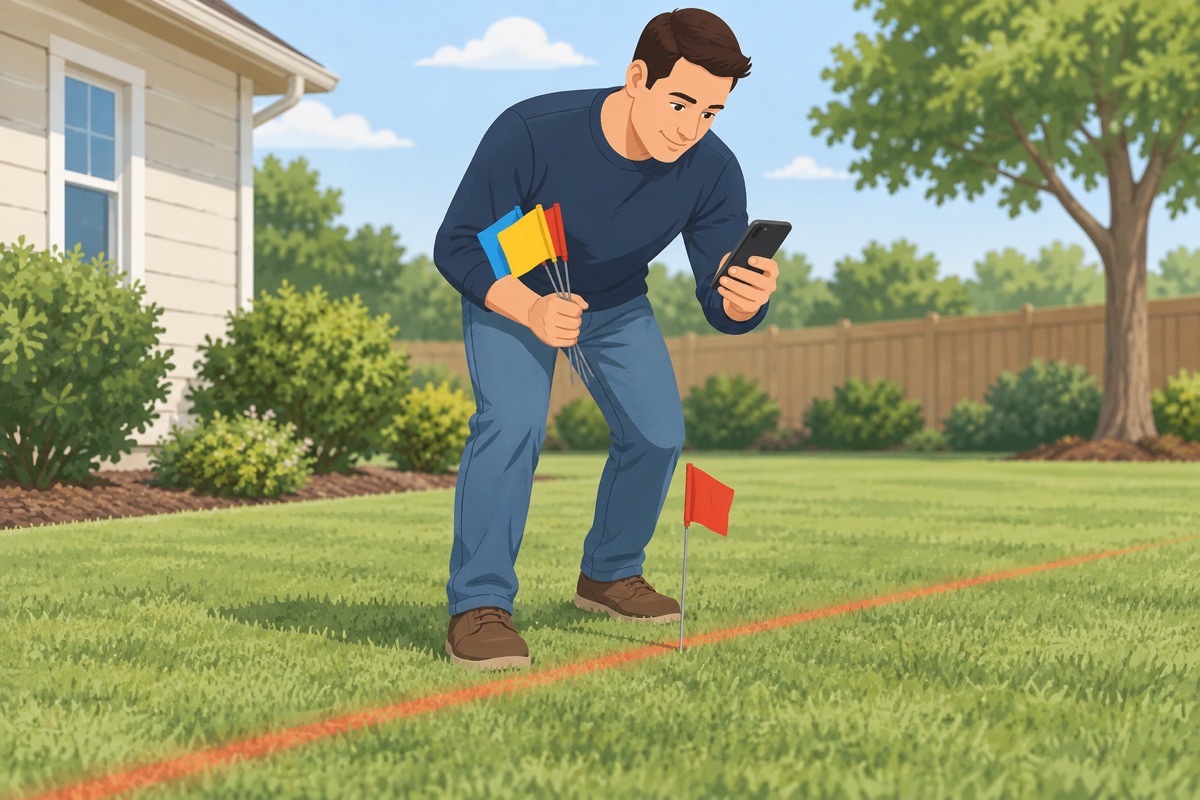
Your 811 ticket from the yard plan must still be current — tickets expire after the time your state sets — and every utility on it must have answered. Walk the yard, find the marks and re-flag any that faded. If you cannot find a mark the ticket promised, call 811 before you dig.
Step 2 of 12
Tell the neighbours
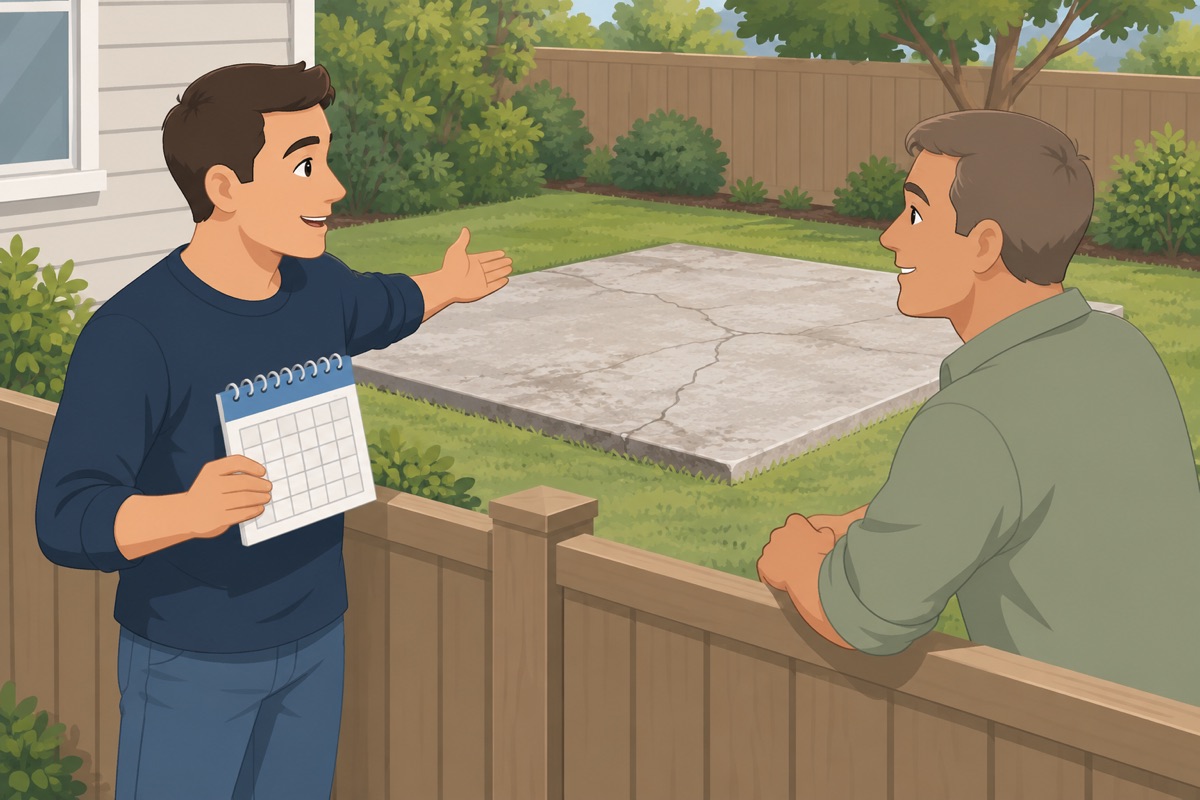
Breaking concrete is loud. Tell the neighbours the days and hours, keep to your city's noise hours, and agree on any shared fence before you touch it.
Step 3 of 12
Book the haul-away
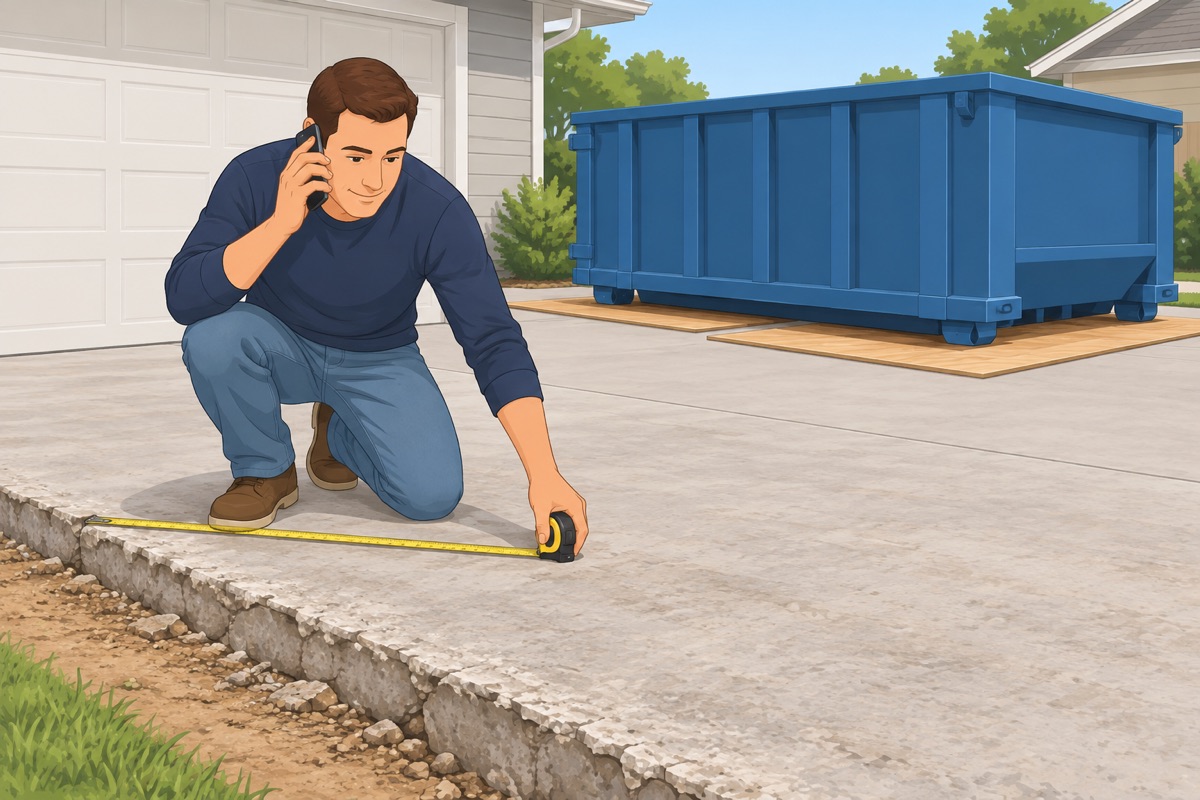
Measure the slab — length, width, thickness — so the hauler can tell you the weight. Ask a concrete recycler and a bin company what they take, whether concrete and soil must be kept apart, and the bin's weight limit. Set the bin as close as you can, on plywood to protect the driveway.
Step 4 of 12
Clear the loose things and the plants
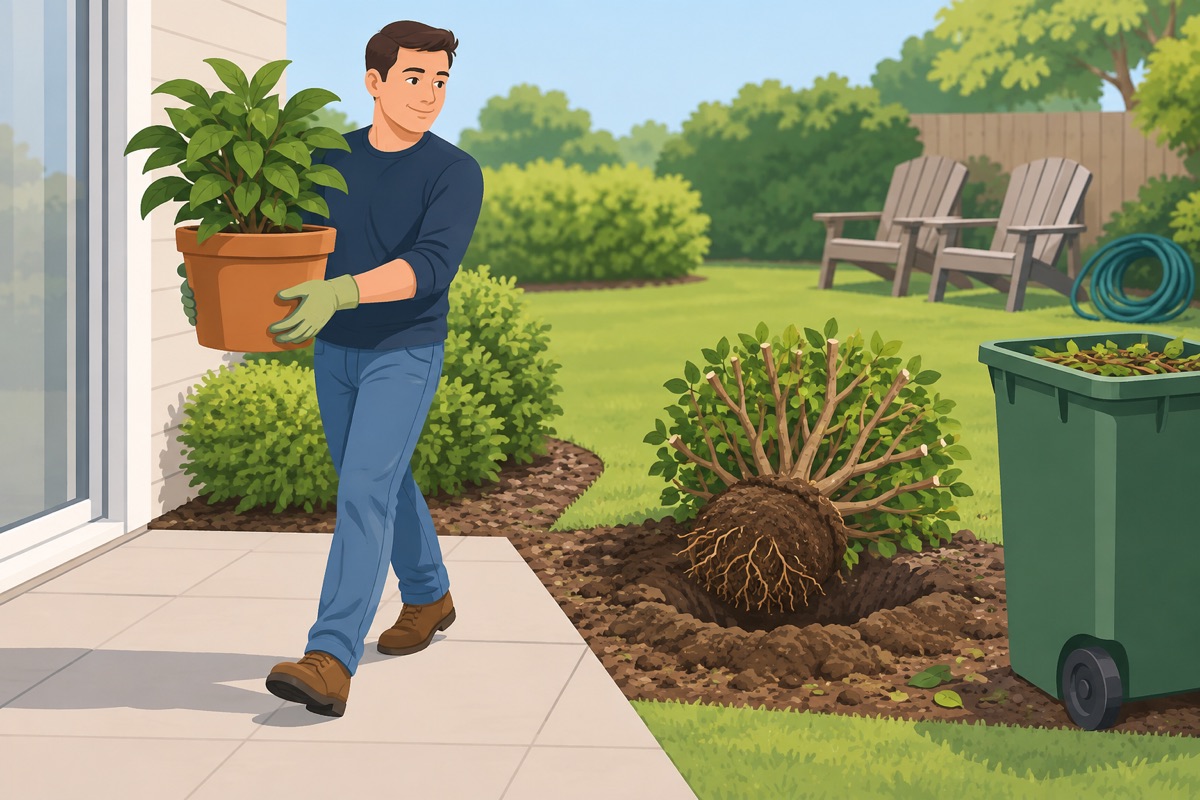
Move furniture, pots, hoses and toys out. Cut and bag the plants you are removing and dig out their roots. Green waste goes in the green bin, not with the concrete.
Step 5 of 12
Remove the dead lawn
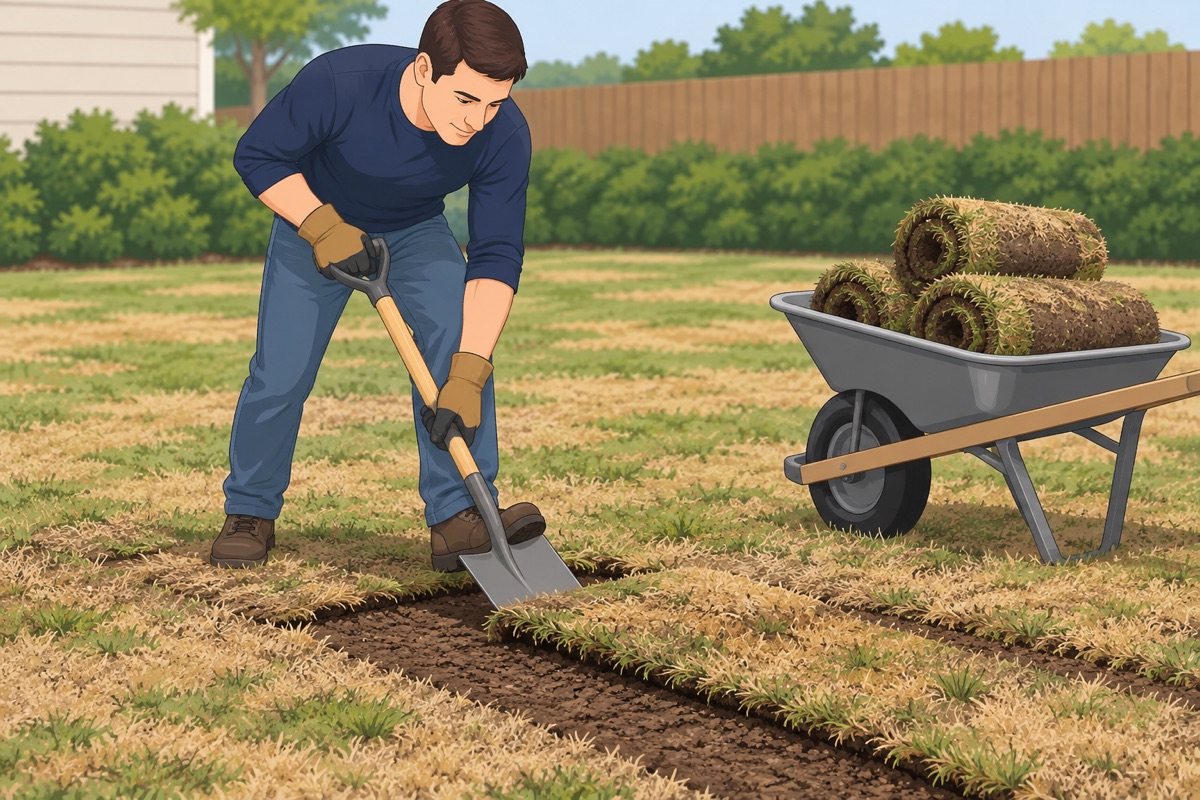
Cut the old lawn into strips with a flat spade or a rented sod cutter, just deep enough to take the roots, roll the strips up and haul them away. If the soil is rock-hard, water it lightly the day before.
Step 6 of 12
Check the slab before you break it
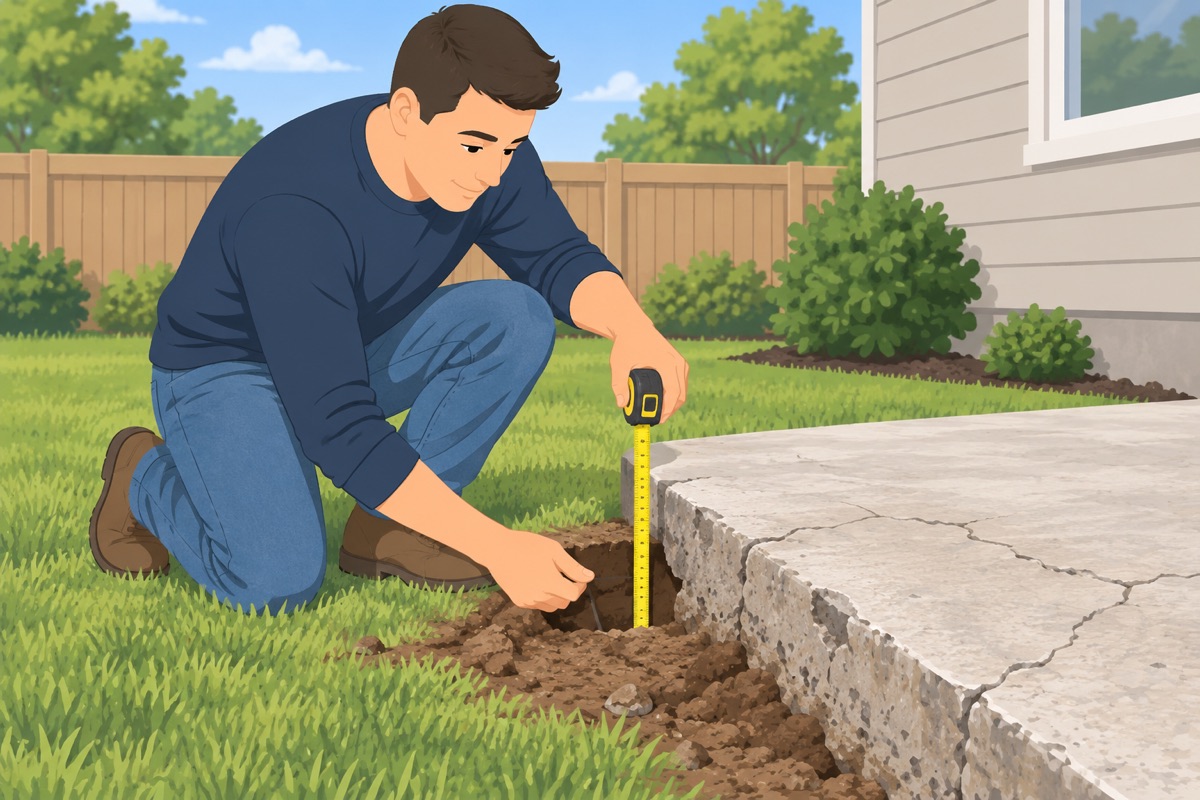
Dig down beside one edge until you find the bottom of the slab and measure how thick it is. Look at the edge and any cracks for rebar or wire mesh. Look for pipes, cleanouts and 811 marks that cross it.
Before you break anything
- 811 marks are in and every utility on the ticket answered
- No utility mark, pipe, cleanout or private line runs under the slab
- The slab is about 4 in thick or less, has no rebar all through it, and does not touch the foundation, a wall or a pool
- Neighbours were told, and anyone who shares a fence you will touch agreed
- P100 respirator, safety glasses, hearing protection and boots are on, and a hose is ready to keep the concrete wet
Step 7 of 12
Break the slab from the edge in
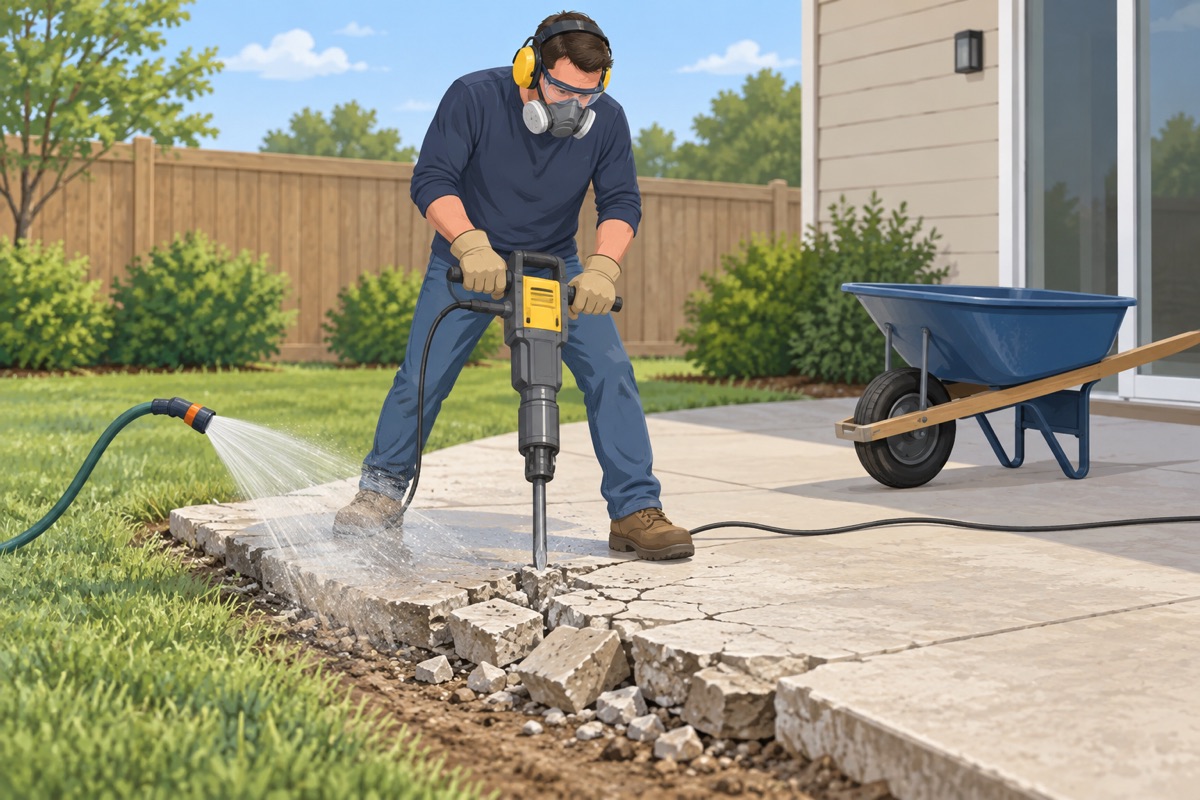
Start at a free edge or a corner, with a little soil dug out from under it so the piece can drop. Keep the surface wet with a light spray the whole time. Let the demolition hammer's weight do the work — do not lean on it — and break pieces the size you can lift into the wheelbarrow. Take breaks; it is hard on the arms and the ears.
Step 8 of 12
Cut the mesh and lift the pieces out
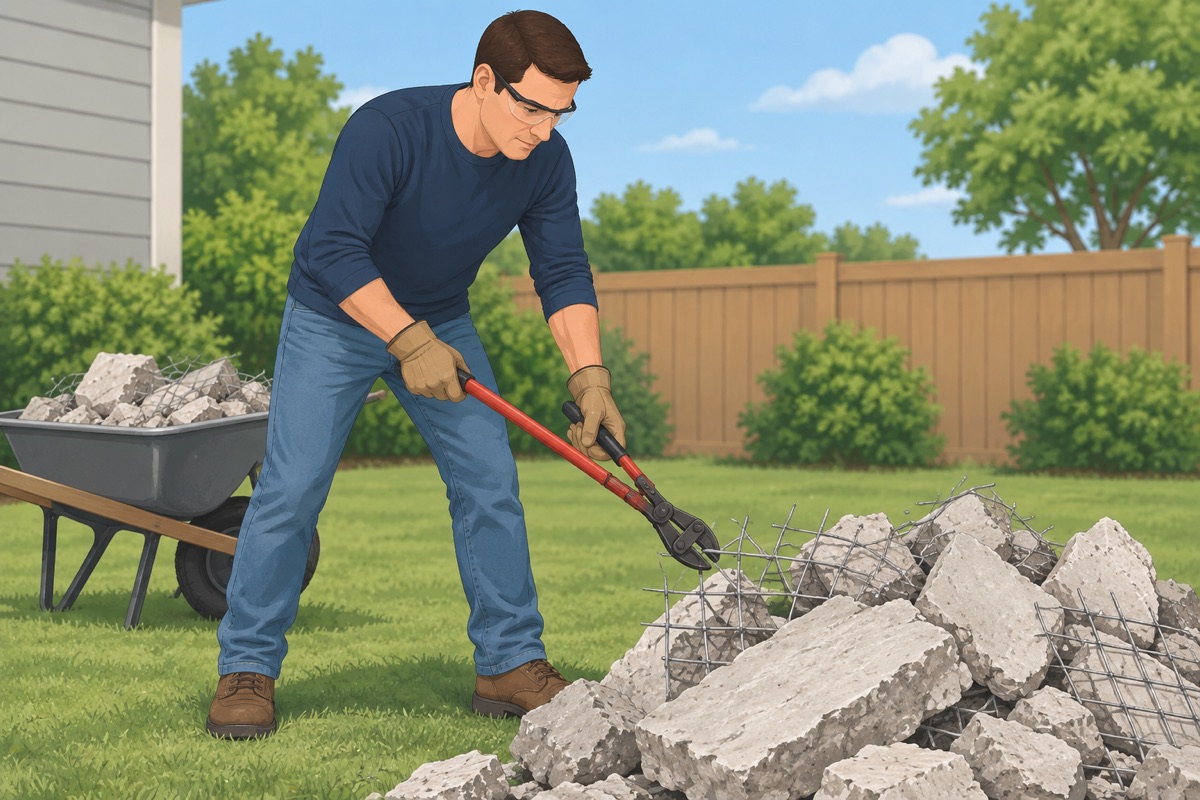
If there is thin wire mesh, cut it with bolt cutters or a grinder as you lift the pieces. Lever big pieces up with the wrecking bar. Lift with your legs, and roll heavy pieces instead of carrying them.
Step 9 of 12
Pull the old fence posts
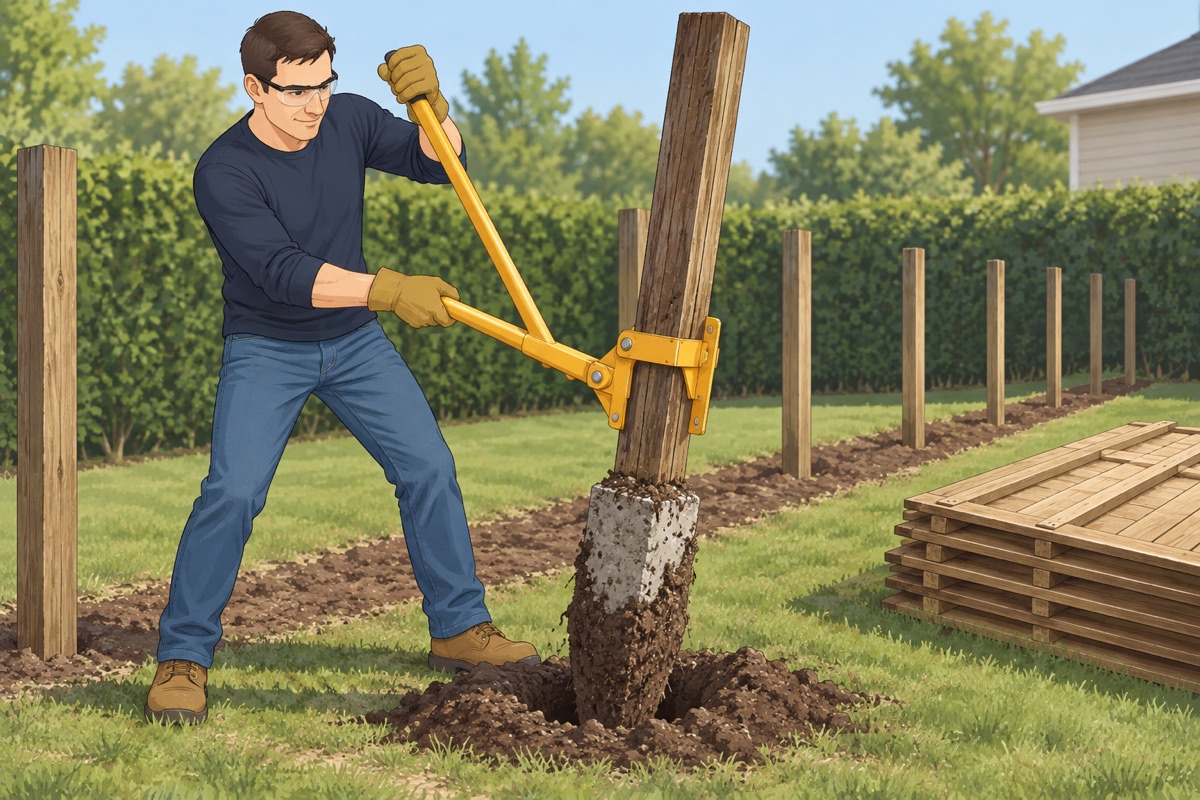
Take the panels or pickets off first. Dig around the post a little, then pull it with the post puller or a farm jack and chain; the concrete footing comes up with it, or break it in the hole. If a post snapped off at the ground, dig the concrete out or plan the new post a few inches to the side. A shared fence only after your neighbour agreed.
Step 10 of 12
Rake out the rubble and look at the ground
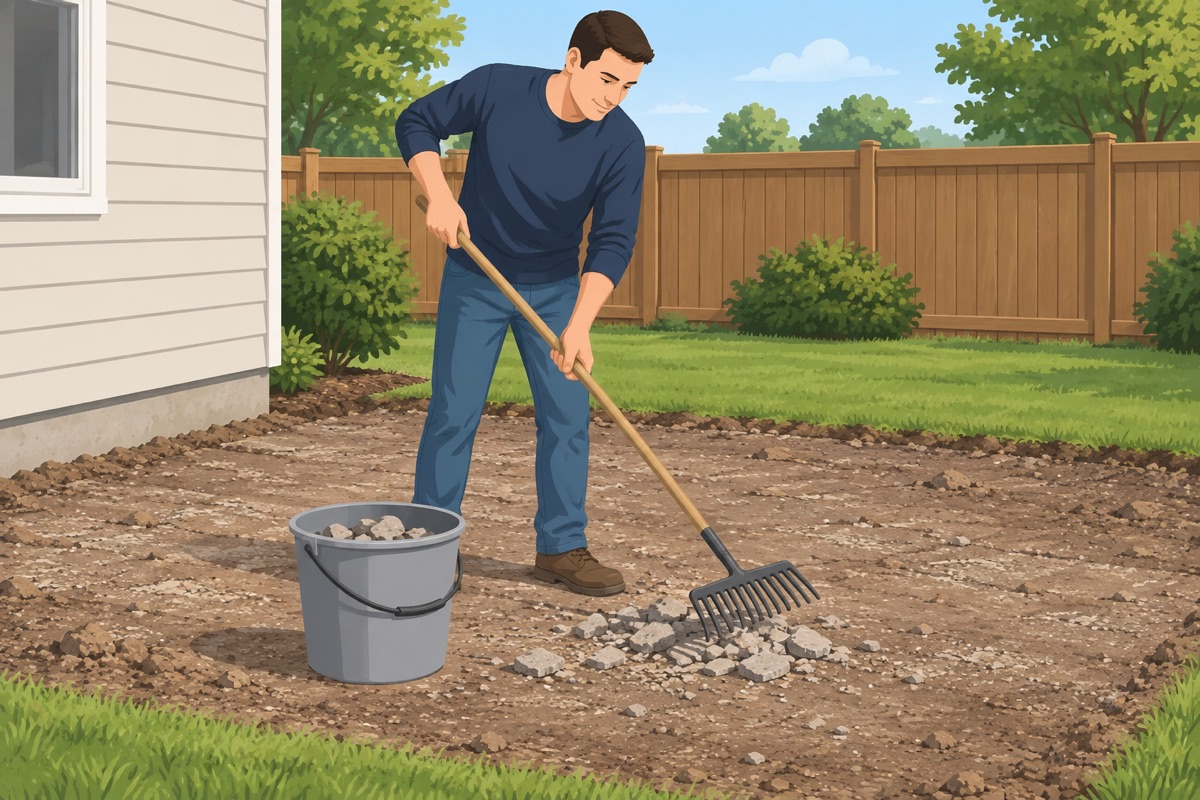
Pick out chunks, nails and roots. Look at the soil where the slab was: if it is soft, wet, or smells of fuel, stop and ask before you build over it.
Step 11 of 12
Load and haul, sorted
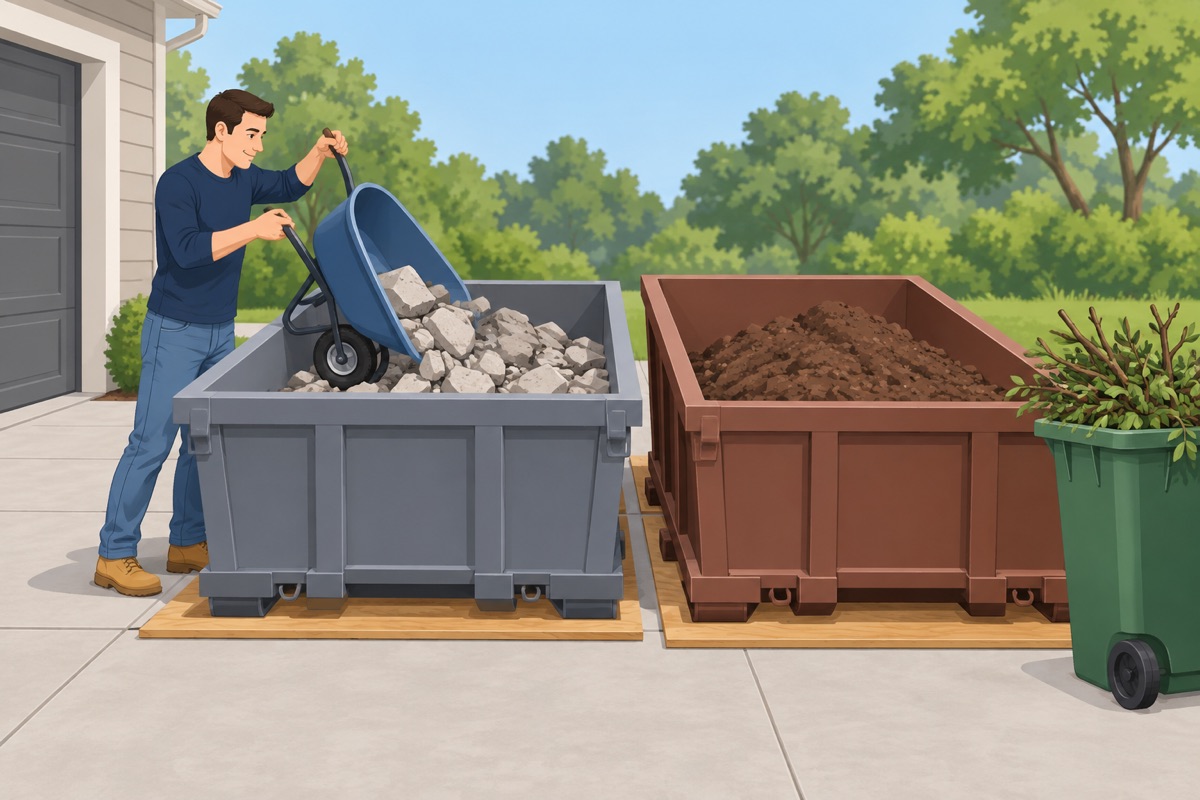
Concrete in one bin or trip, soil in another, green waste in the green bin, and wood and metal the way your hauler says. Never load a bin past its weight limit; the hauler will not take it.
Step 12 of 12
Take the after-demo photos
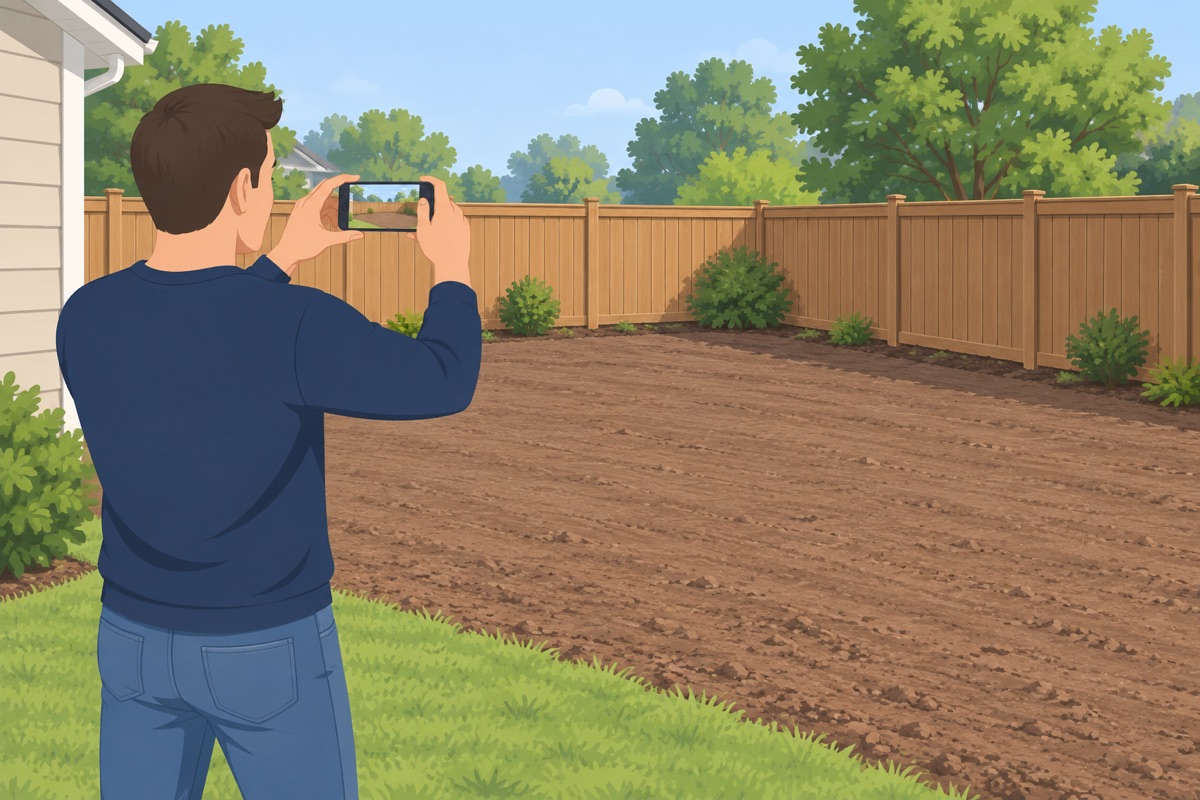
Photograph the cleared yard from the same corners as your 'before' photos. The ground jobs can start now.
Common mistakes
- Breaking concrete dry. Silica dust from concrete scars the lungs for good. Keep the slab wet while you break it and wear a fitted P100 — a paper dust mask is not enough.
- Breaking in the middle of the slab. The hammer just bounces. Start at an edge or a crack, dig a little soil out from under the edge, and break off pieces you can lift.
- Pulling a shared fence without asking. Half of it may be your neighbour's. Agree first, in writing if you can.
- Concrete and trash in one bin. Haulers charge heavy loads by weight or refuse mixed ones. Keep concrete, soil and green waste apart.
Draft guide written from standard practice, not yet reviewed by a licensed pro. Follow product labels where they differ.
Get this job planned for your roomRelated guides
- How to remove a toilet, vanity and faucets yourself: step by step
- How to remove kitchen cabinets and countertop yourself: step by step
- How to remove baseboards, casing and old doors yourself: step by step
- How to remove old flooring yourself: step by step
- How to remove bathroom wall tile yourself: step by step
- How to remove light fixtures, outlets and switches safely yourself: step by step